Automating Front Desk Tasks in Small Hotels: How to Answer After-Hours Calls
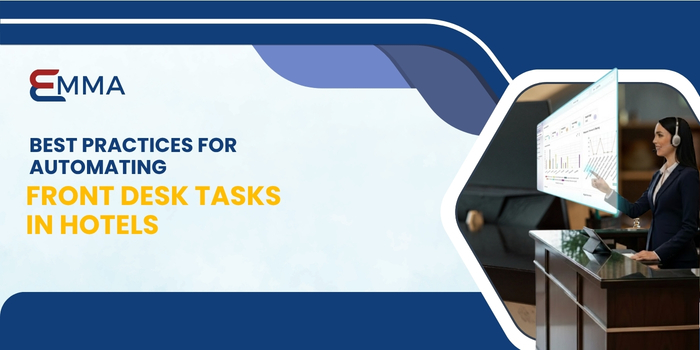
A small hotel can cover after-hours calls without hiring night staff by putting an AI voice agent on the phone line. EMMA answers routine questions, takes booking inquiries and passes urgent requests to a person, using information the hotel configures in advance. This guide explains how automating front desk tasks in small hotels works, what to set up first and what to look for in a solution. The problem is easy to recognise. A traveller calls at 10 pm to ask about late check-in, or a prospective guest wants to know if a room is free this weekend. If nobody picks up, that person may book elsewhere. A night-shift employee fixes this but is hard to justify when overnight call volume is unpredictable.
Why After-Hours Calls Are Hard for Small Hotels
Independent properties usually run with smaller teams and tighter budgets than chains, so overnight phone coverage is the first thing to go. The calls themselves tend to be repetitive:
– Reservation inquiries: room availability, rates and how to book
– Check-in questions: late arrivals asking about entry procedures
– Hotel information: breakfast timings, parking, Wi-Fi and amenities
– Booking confirmations: guests checking their reservation details before arrival
– Special requests: additional beds, airport transfers and similar arrangements
Unanswered, these calls cost the hotel twice. Prospective guests may contact a competing property, and existing guests are left without information they need. A dedicated night employee solves both, but the cost may not match the number of calls that come in.
What Is After-Hours Hotel Call Automation?
After-hours hotel call automation means a system answers the phone when the front desk is unstaffed. EMMA takes the call, understands what the guest is asking and responds from information the hotel has configured. It holds a natural conversation rather than sending the caller to voicemail. This differs from a traditional answering service. Those usually rely on human operators following set scripts, often with limited access to details about your property. With EMMA, a guest who calls at midnight asking about breakfast timings gets the answer immediately. A caller who wants to make a reservation is guided through the hotel’s own booking process, and EMMA collects the relevant details along the way. The hotel extends its communication coverage without extending front desk working hours.
What an AI Receptionist for Small Hotels Actually Handles
EMMA takes on four recurring tasks that would otherwise need someone’s attention.
Answering Common Guest Questions
Check-in and check-out times, breakfast schedules, parking, Wi-Fi and amenities make up most routine calls. EMMA answers them from hotel-approved information, so staff stop fielding the same questions repeatedly.
Managing Booking Inquiries
When someone calls about rooms or reservations, EMMA understands their requirements, collects the details and walks them through the hotel’s configured booking process. Where supported integrations are available, it can also work with connected reservation systems.
Sharing Hotel Policies and Services
Cancellations, pets, deposits, early check-ins and late check-outs all come with property-specific rules. EMMA states these consistently, so guests know the requirements before they arrive.
Escalating Urgent Requests
Some calls should not be automated. A guest reporting an emergency or needing immediate help requires a person. EMMA follows the escalation procedures you define, either transferring the call or notifying the appropriate staff member.
That split keeps the line answered overnight while leaving staff free for the interactions that need them.
How to Start Automating Front Desk Tasks in Small Hotels
Setup does not require changing how the hotel operates. The work is mostly in deciding what EMMA should say and when it should hand off.
- Decide which calls EMMA handles: List the calls that do not need an employee’s judgment, such as reservation inquiries, hotel information and late check-in questions. These are your starting scope.
- Define after-hours call handling: Set what happens when someone calls outside front desk hours. This may include answering general questions, collecting booking inquiries and giving check-in instructions.
- Load accurate hotel information: Provide current details on rooms, facilities, services, policies and frequently asked questions. Guests will only get consistent answers if this is correct and up to date.
- Connect existing systems where supported: If EMMA can integrate with your property management, reservation or communication systems, set that up now.
- Write the escalation rules: Spell out which requests go to a person and who gets notified.
- Test realistic scenarios before going live: Run late-night check-in questions, reservation inquiries, cancellation policies and urgent requests through the system.
- Review and update: Check call records, escalation patterns and guest feedback regularly. Change EMMA’s responses whenever policies, services or procedures change.
What Changes for the Hotel
Hotel front desk automation changes a few specific things in day-to-day operations:
– Calls get answered 24/7, including when front desk employees are unavailable.
– Booking inquiries get a response instead of going unanswered.
– Answers stay consistent because every caller hears the same hotel-approved information.
– Front desk teams handle fewer repetitive calls and can concentrate on in-person guests and operations.
– Coverage extends without automatically requiring more overnight staffing.
The aim is not to replace hospitality with a machine. Guests get the essentials at any hour, and employees spend their time on tasks that benefit from personal attention.
What to Look for in a Hotel Front Desk Automation Solution
Before choosing a tool, check it against a few practical capabilities.
– Natural conversation: it should understand the different ways guests phrase the same question and respond relevantly.
– Customizable responses: you should be able to shape answers around your services, policies and property.
– Integration capabilities: it should connect to relevant hotel systems where integrations are available.
– Call transfers: it needs clear escalation options for urgent requests and anything requiring a human.
– Reporting and scalability: call analytics and performance reports should show communication patterns and where to improve.
EMMA offers customizable conversations, multilingual communication and integration capabilities, with predefined escalation procedures sending urgent or complex requests to the right staff. The test for any option is whether it fits the way your hotel already works or adds another disconnected system.
Frequently Asked Questions
How can small hotels answer guest calls after front desk hours?
They can use EMMA to answer incoming calls, respond to common guest inquiries and provide essential hotel information when front desk employees are unavailable. EMMA supports small hotels that might require the same front desk individual to hold multiple hats in the operations.
Can EMMA handle hotel booking inquiries?
Yes. EMMA can collect guest requirements, answer reservation-related questions and guide callers through configured booking processes. Direct booking management depends on the integrations supported.
Can hotels automate late-night check-in inquiries?
Yes. Hotels can configure EMMA to give check-in timings, entry procedures and late-arrival instructions outside regular front desk hours.
Will automating hotel calls eliminate the need for night-shift staff?
Not necessarily. EMMA handles routine communication and reduces repetitive workload, while employees remain available for emergencies, complex requests and situations needing personal assistance.
Is EMMA suitable for small independent hotels?
Yes. Small independent hotels can use EMMA for 24/7 call answering and to manage repetitive inquiries, without necessarily maintaining a dedicated overnight answering team.